A Feature Film · Awaiting Premiere
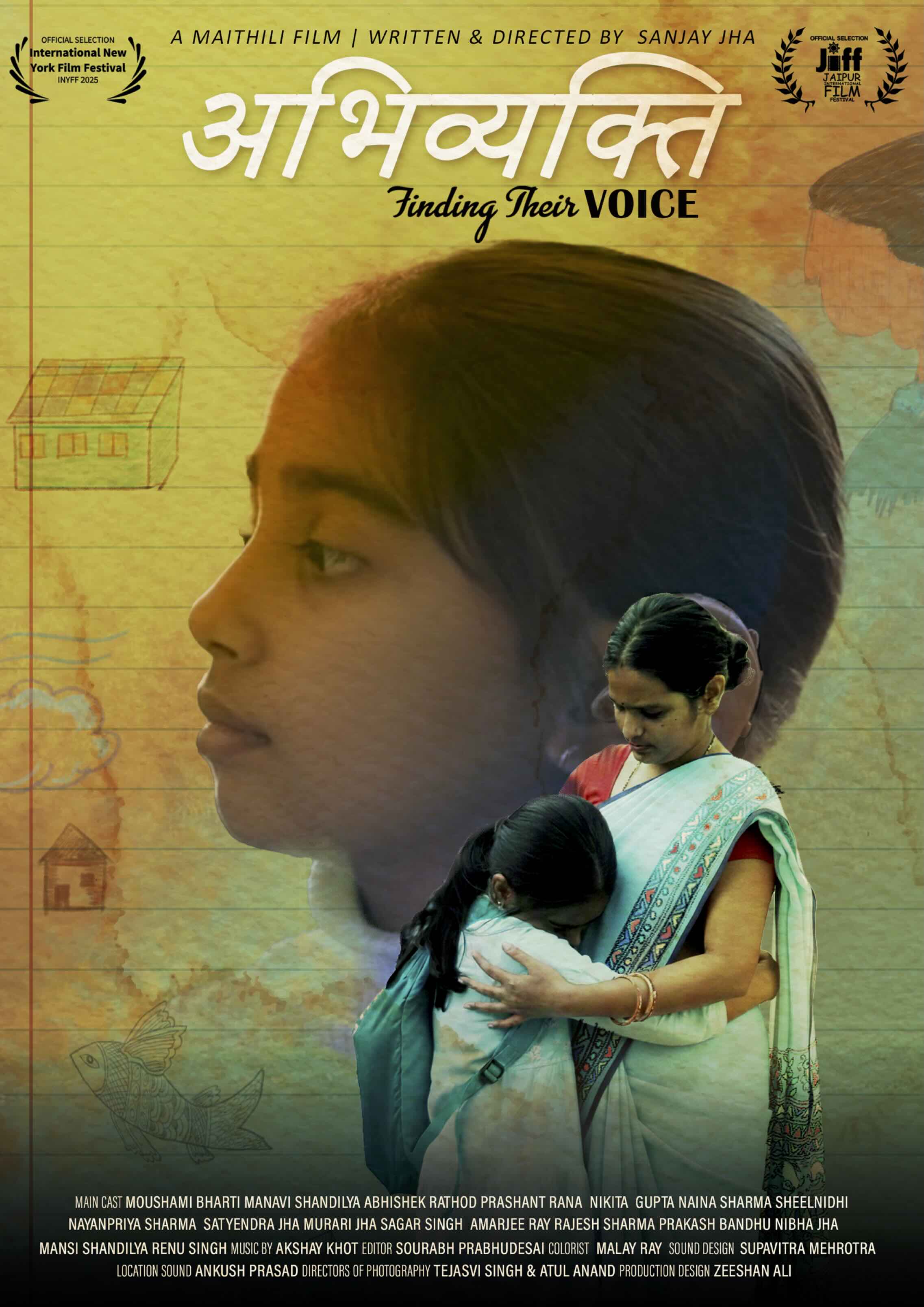
Abhivyakti
Finding Their Voice
A deaf girl in a Mithila village faces a wall of apathy, until her mother defies ancient stigma to ensure her voice is finally felt.
Scroll
Finding Their Voice
A deaf girl in a Mithila village faces a wall of apathy, until her mother defies ancient stigma to ensure her voice is finally felt.
Abhivyakti (Finding Their Voice) is a 74-minute drama in Maithili, set in the rural heartland of Mithila — a cultural region that spans northern Bihar and southern Nepal. The word abhivyakti means expression — and the film is an inquiry into who gets to express, and at what cost.
At its centre is Kanti — a young, educated woman who has come to her mother's village to deliver her first child. When her daughter Chutki is born, the family's first response is disappointment. When Chutki is later diagnosed with significant hearing loss, that disappointment hardens into stigma. Her husband Bikas withdraws. Kanti does not.
What follows is the slow, stubborn work of a mother refusing the future society has already written for her daughter. There is no specialist nearby, no sign language in the village school, no social vocabulary for disability that isn't laced with shame. Kanti finds quiet allies along the way, but the central labour is her own — and at one point, faced with a road that does not exist, she invokes Dashrath Manjhi, the man from the same soil who carved a road through a mountain with a hammer and chisel because no one else would.
Abhivyakti is also about a mother who refuses to diminish her child. Where the world sees a deaf girl and offers her a narrow set of acceptable futures, Kanti sees something else entirely — and dares to imagine a life for her daughter that no one in the village has thought to imagine.
The film does not end in celebration. It ends in witness: real voices of deaf people, whose silenced lives outnumber any single story this film could tell.
Shot in Maithili with local actors from the region. A debut feature from director Sanjay Jha.
Trailer
Teaser
Full Film
The complete feature is available on request to festival programmers, press, juries and distributors. A private Vimeo screener with English subtitles will be shared after a brief enquiry.
Request Screener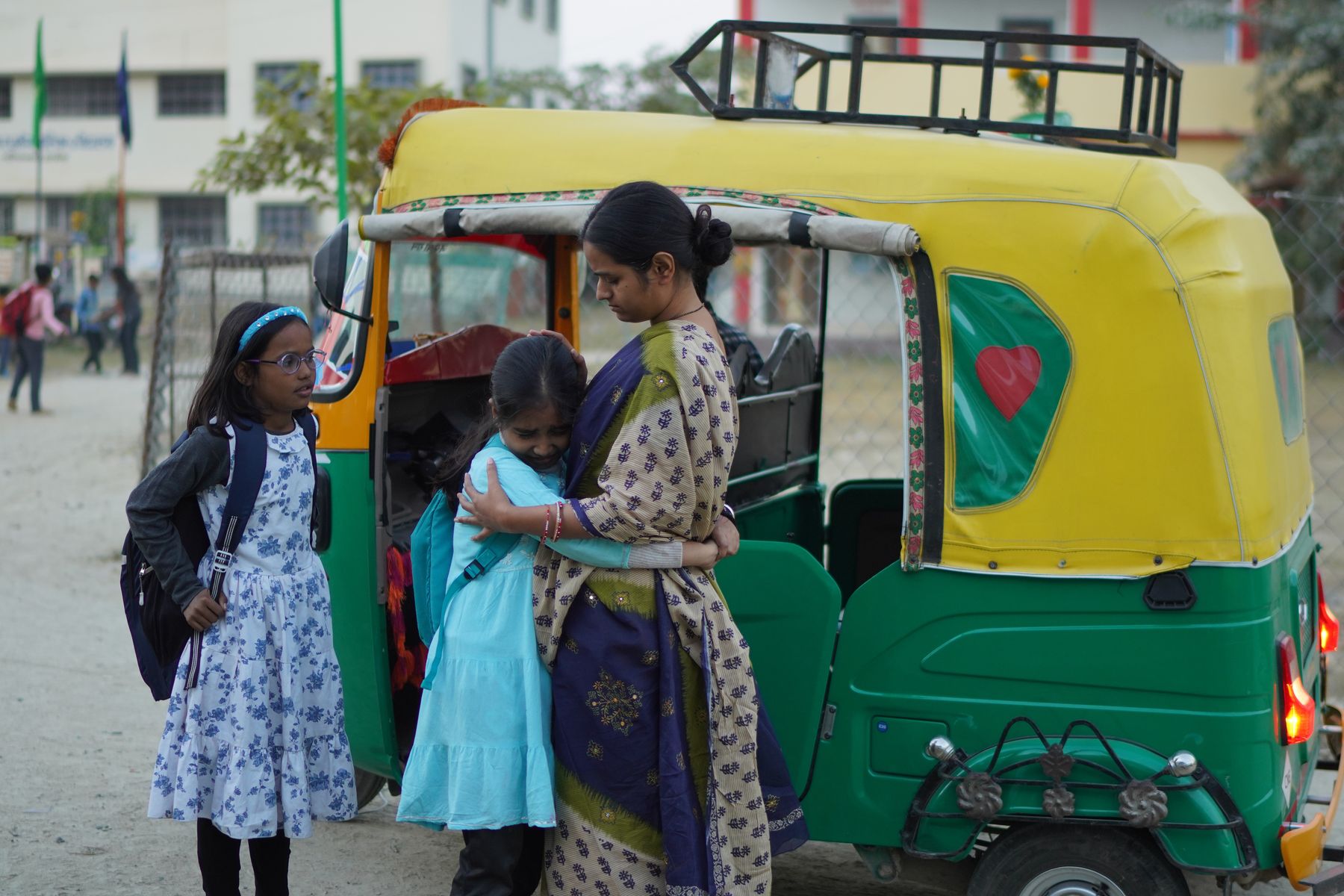
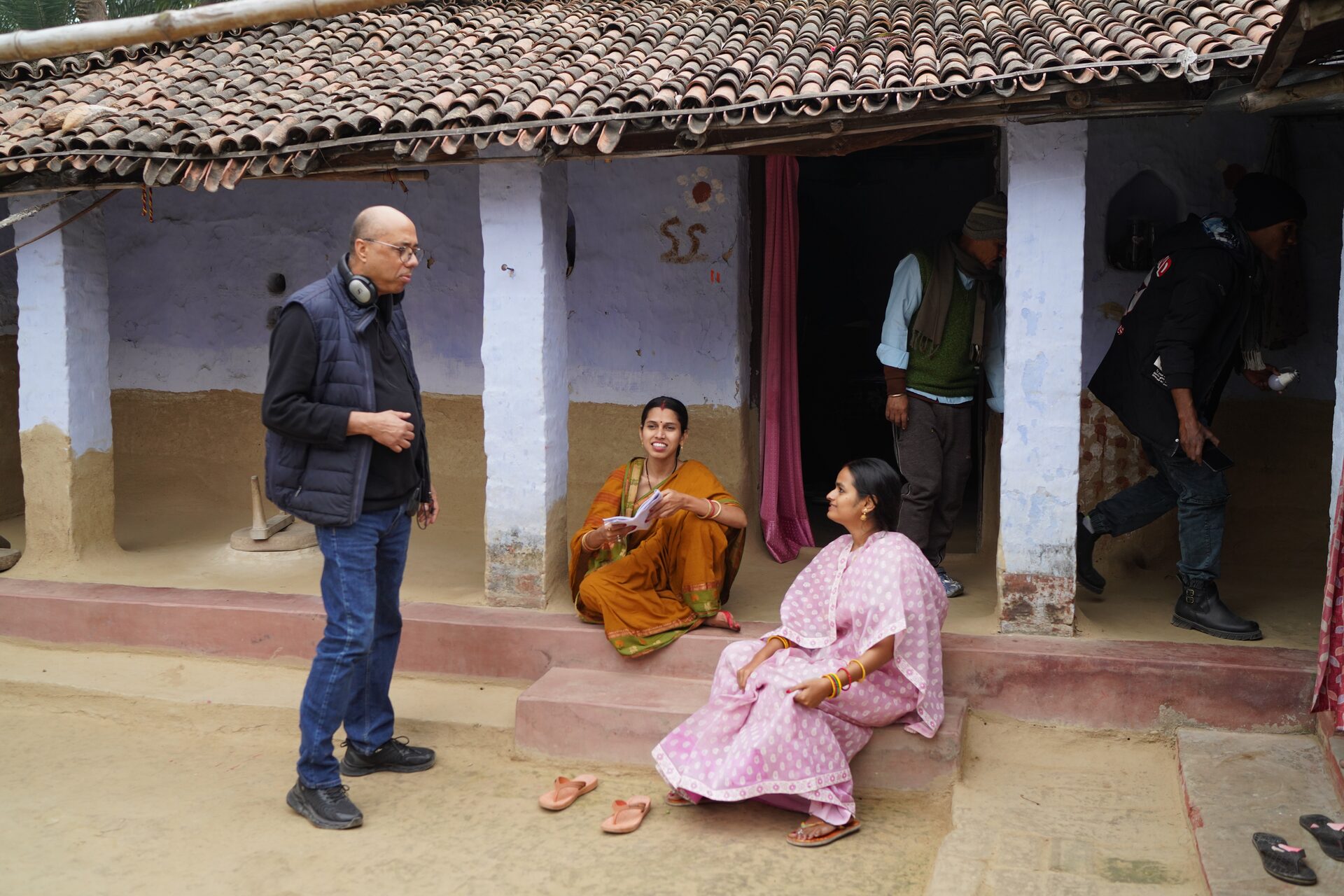
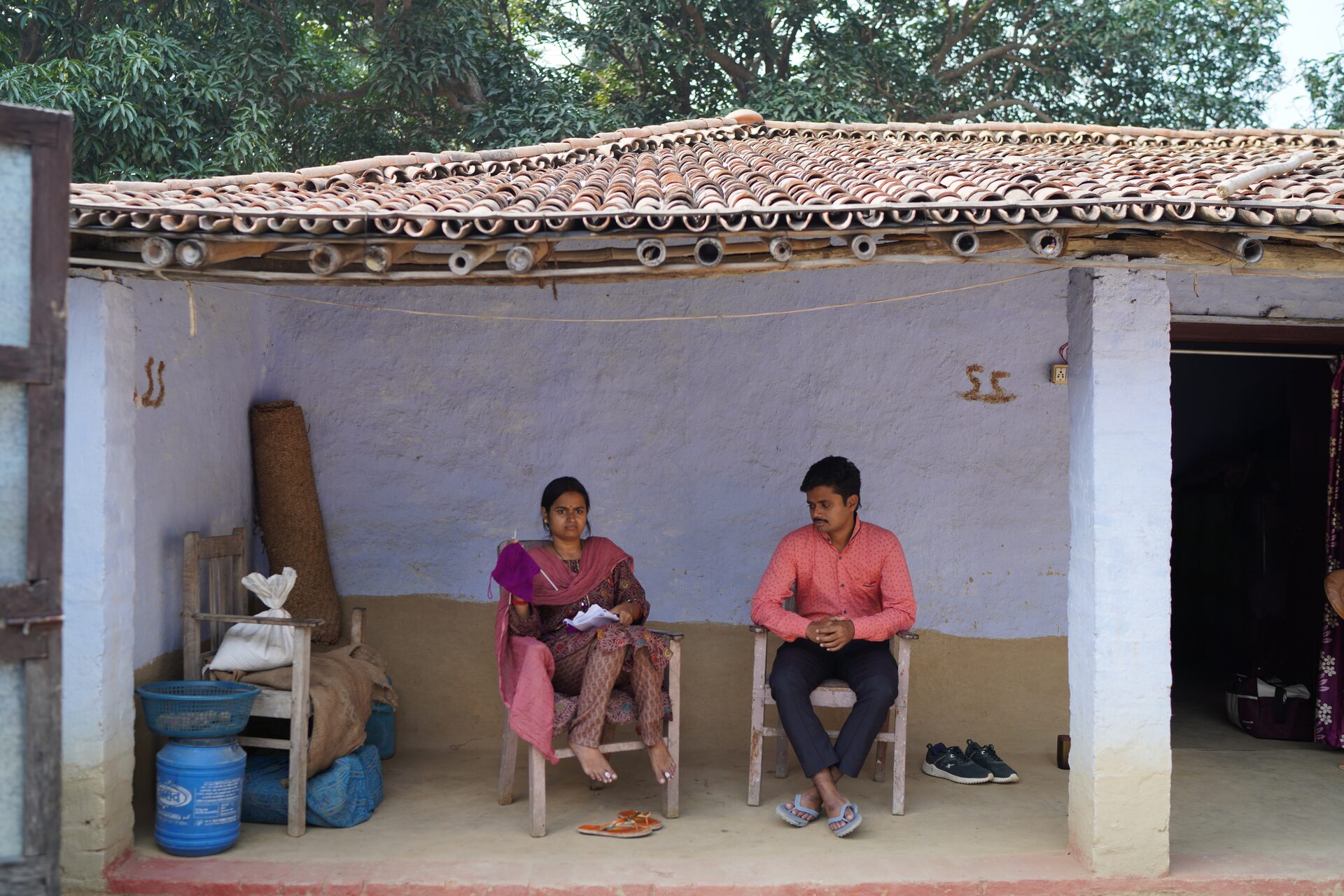
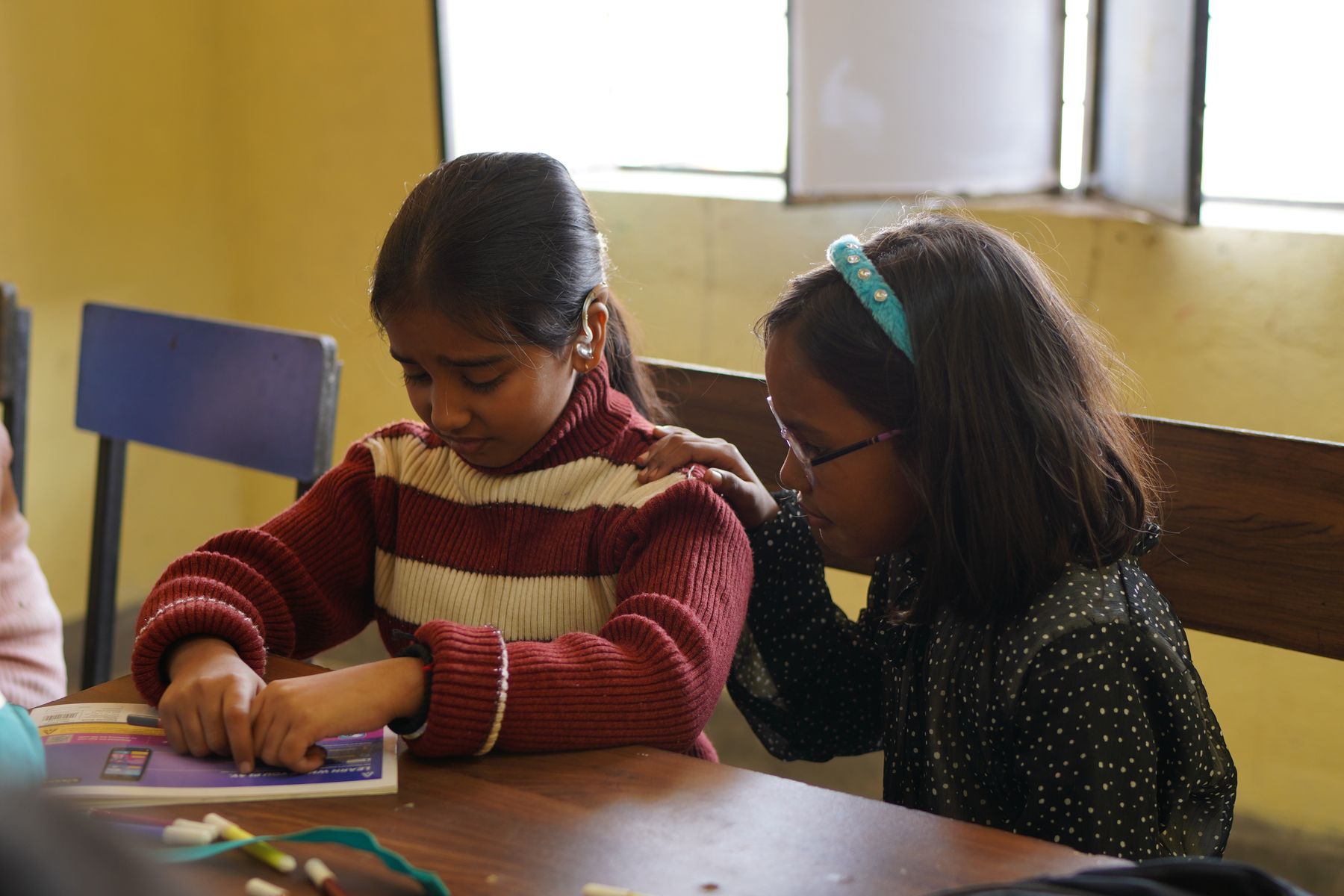
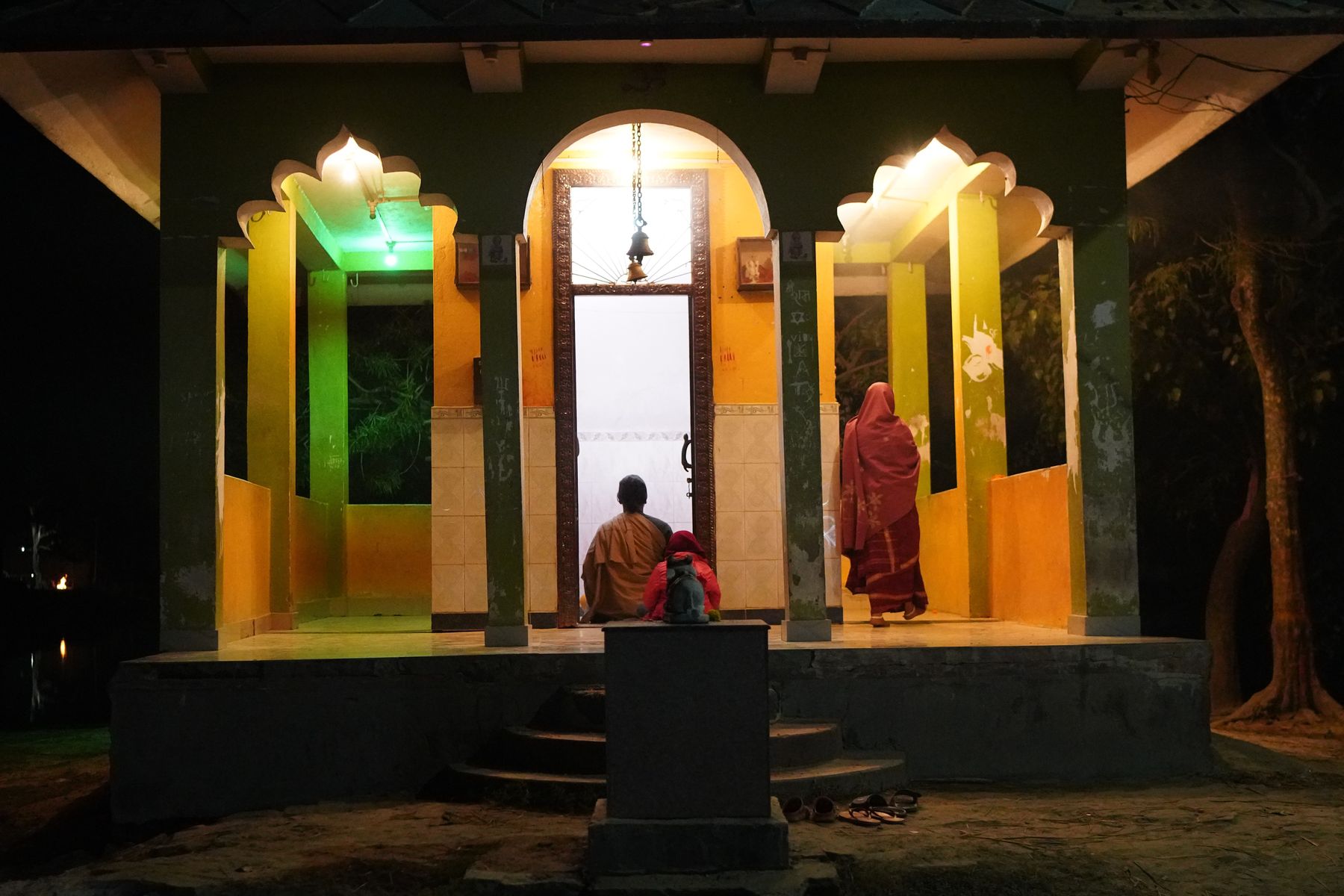
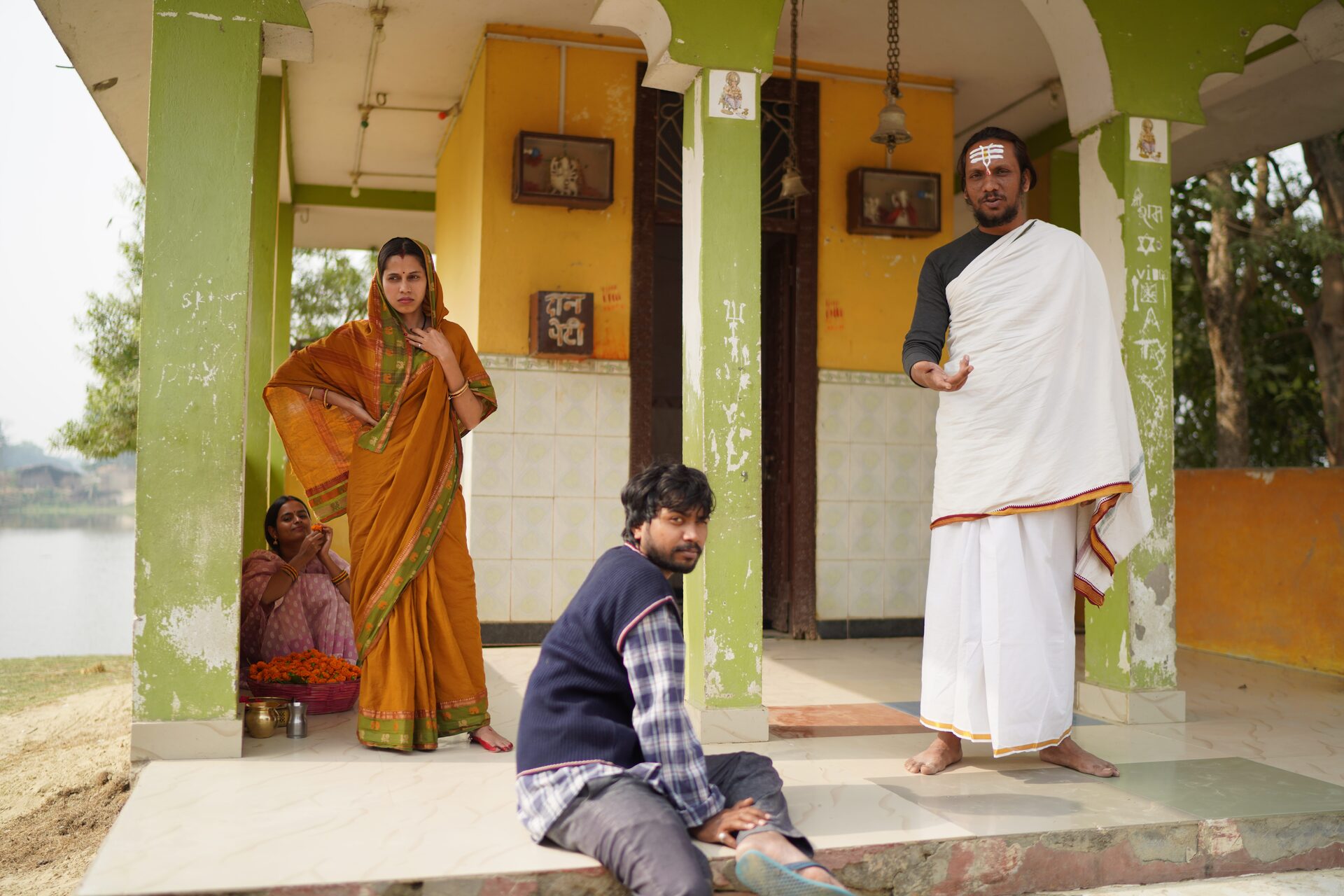
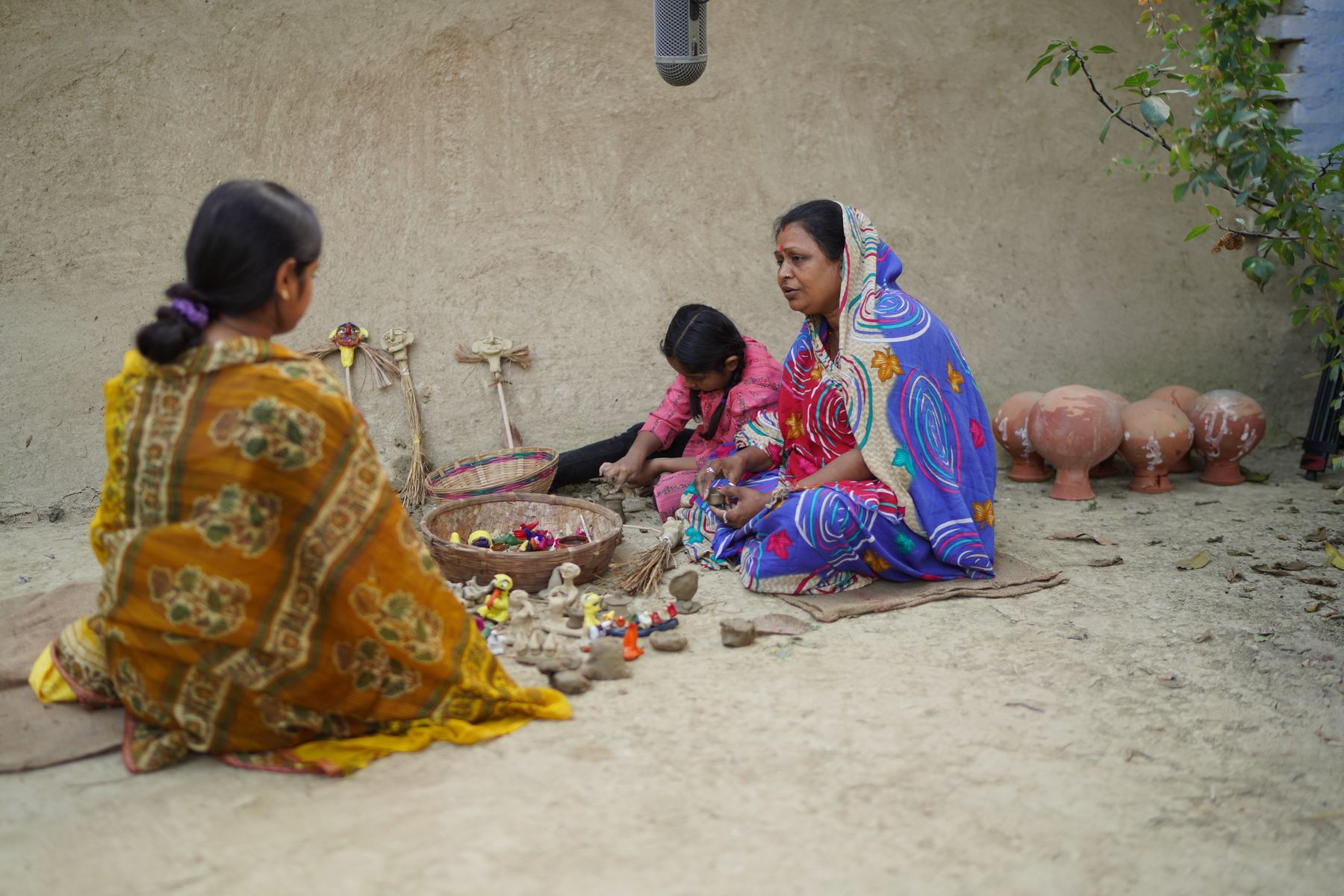
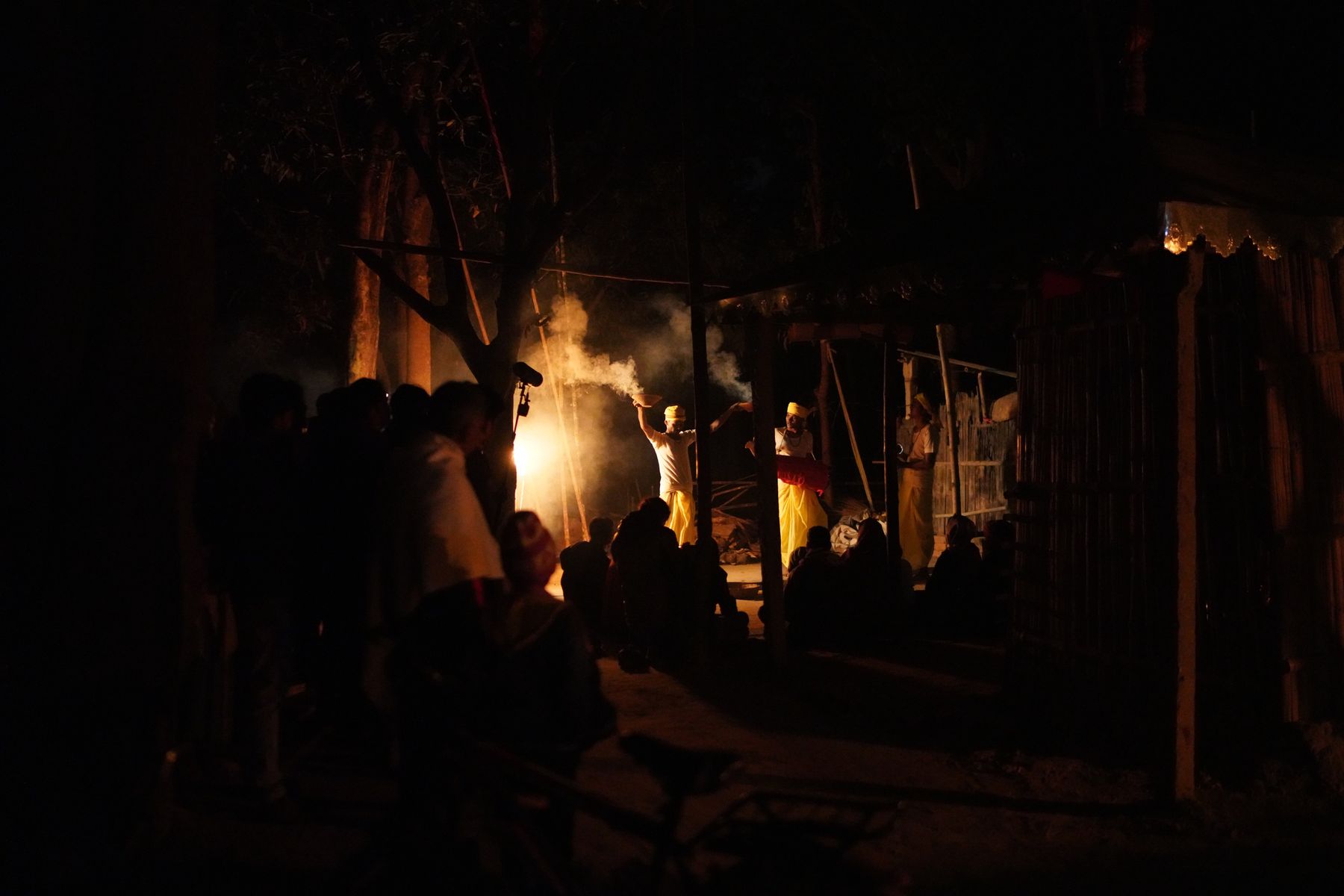
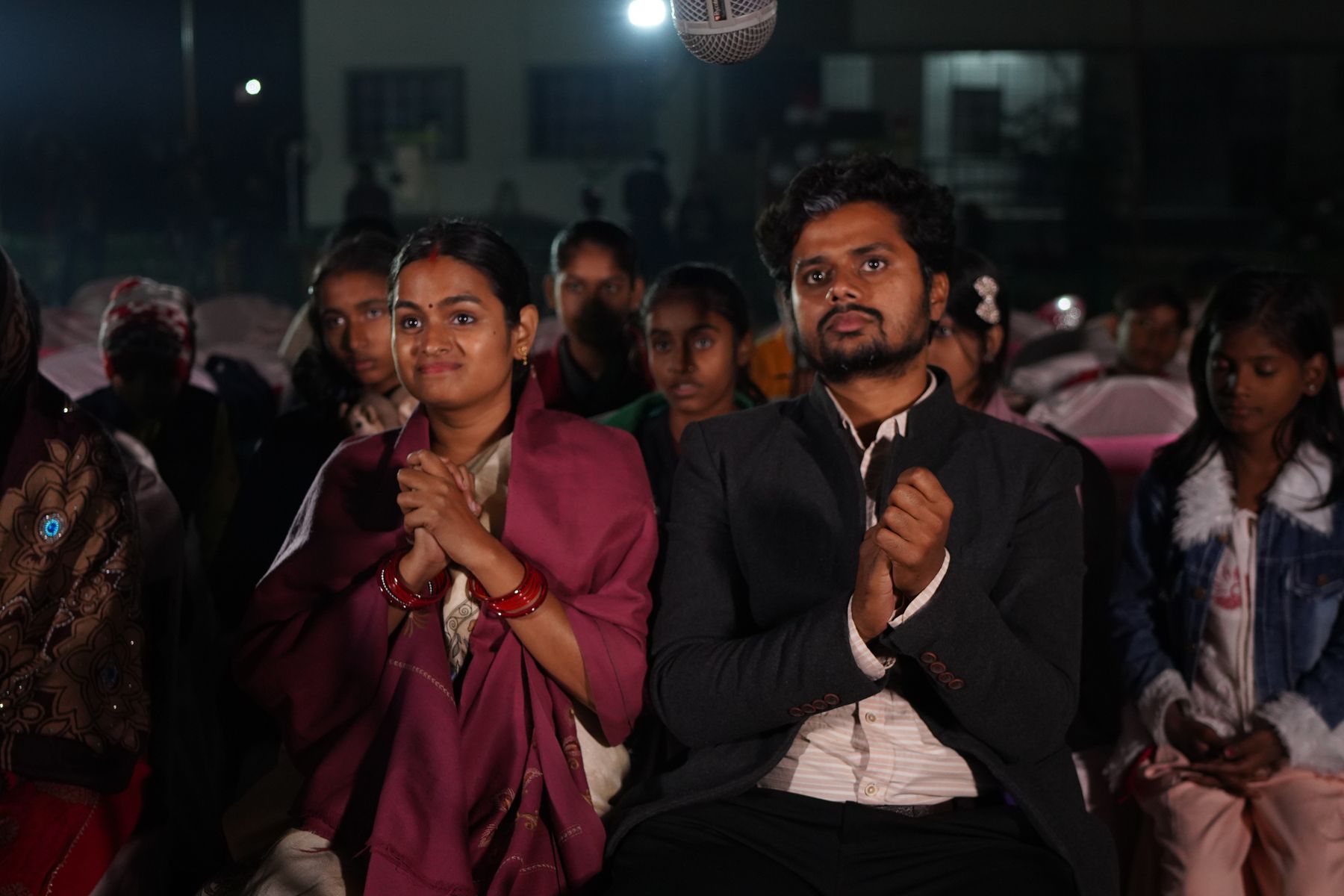
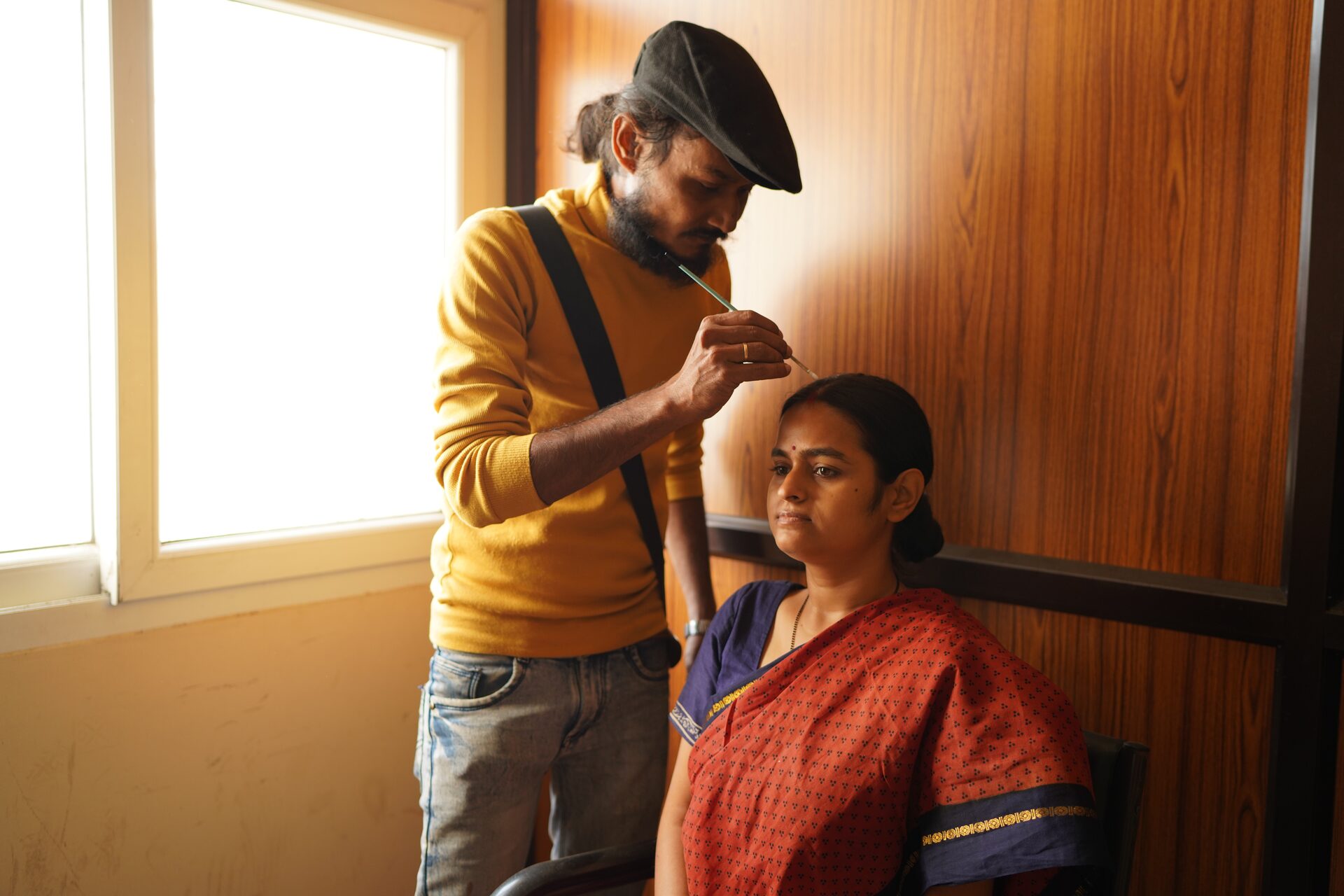
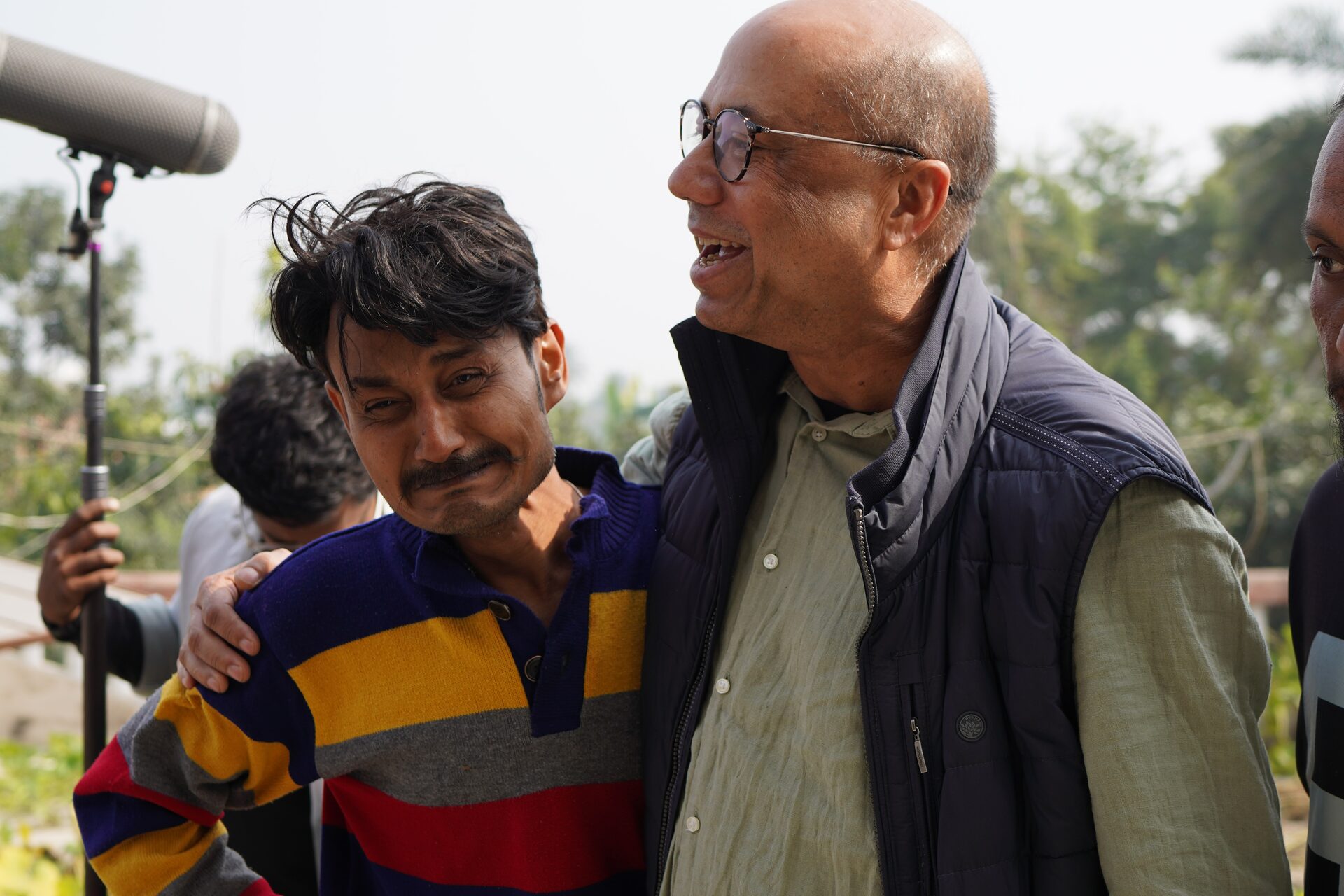
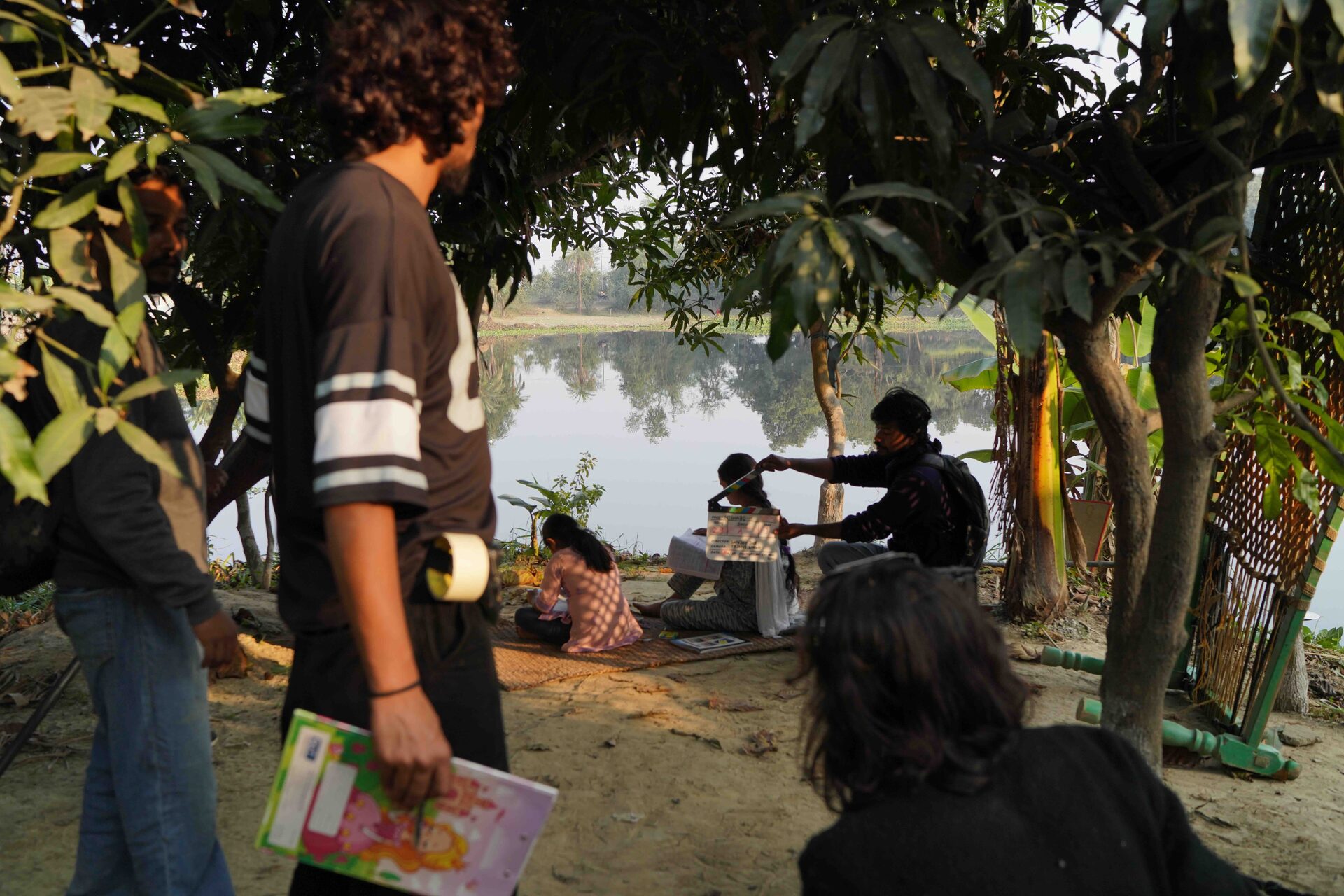
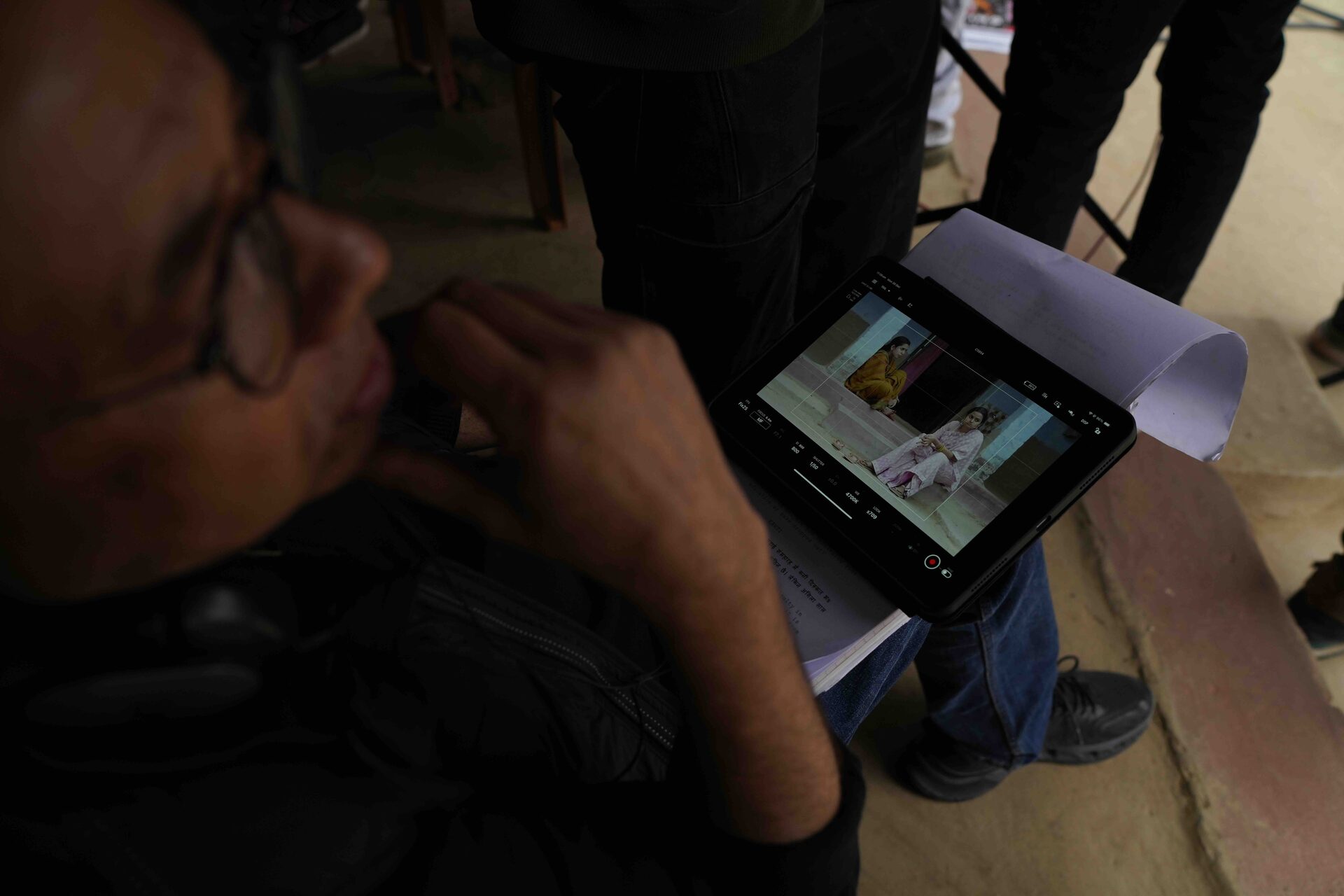
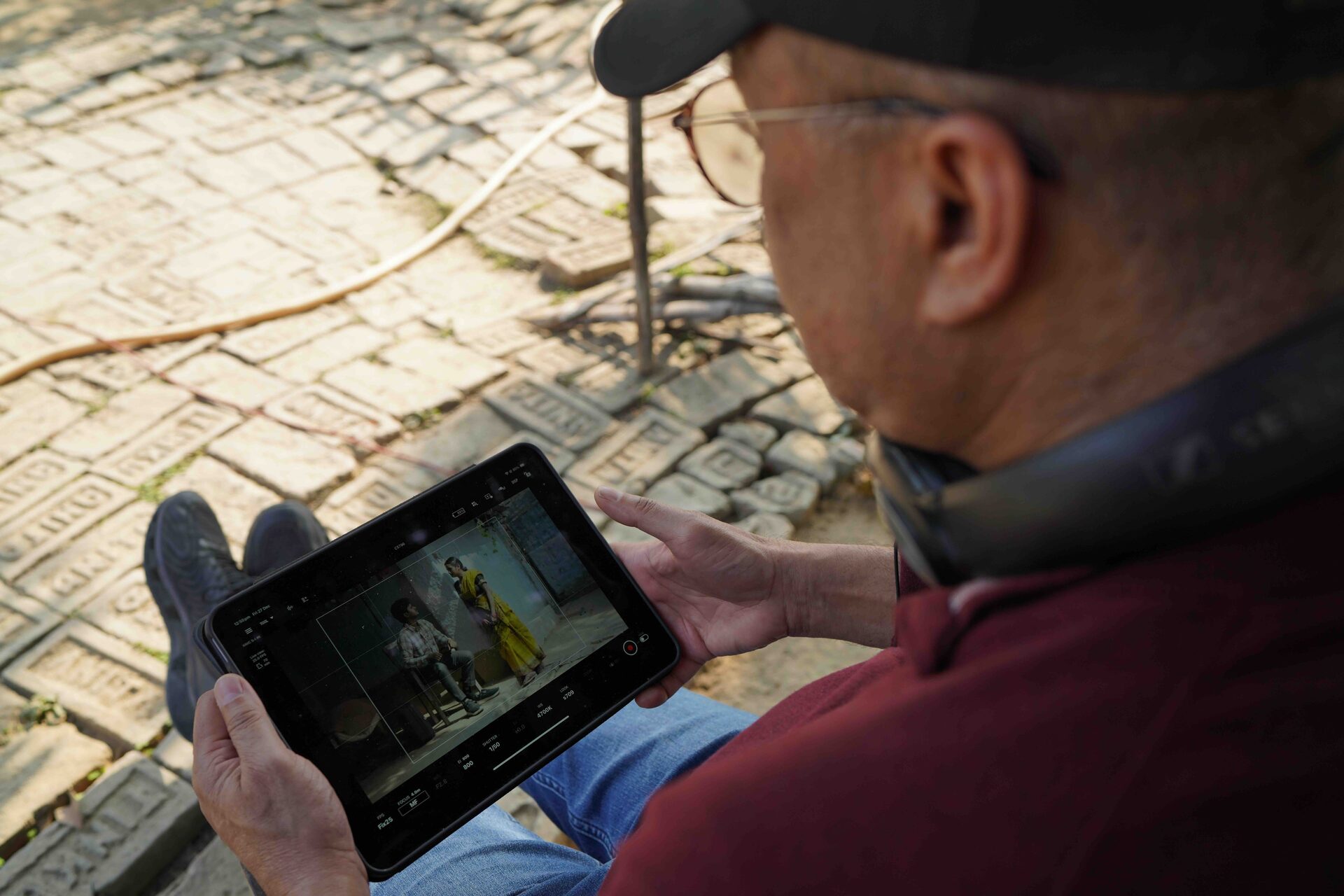
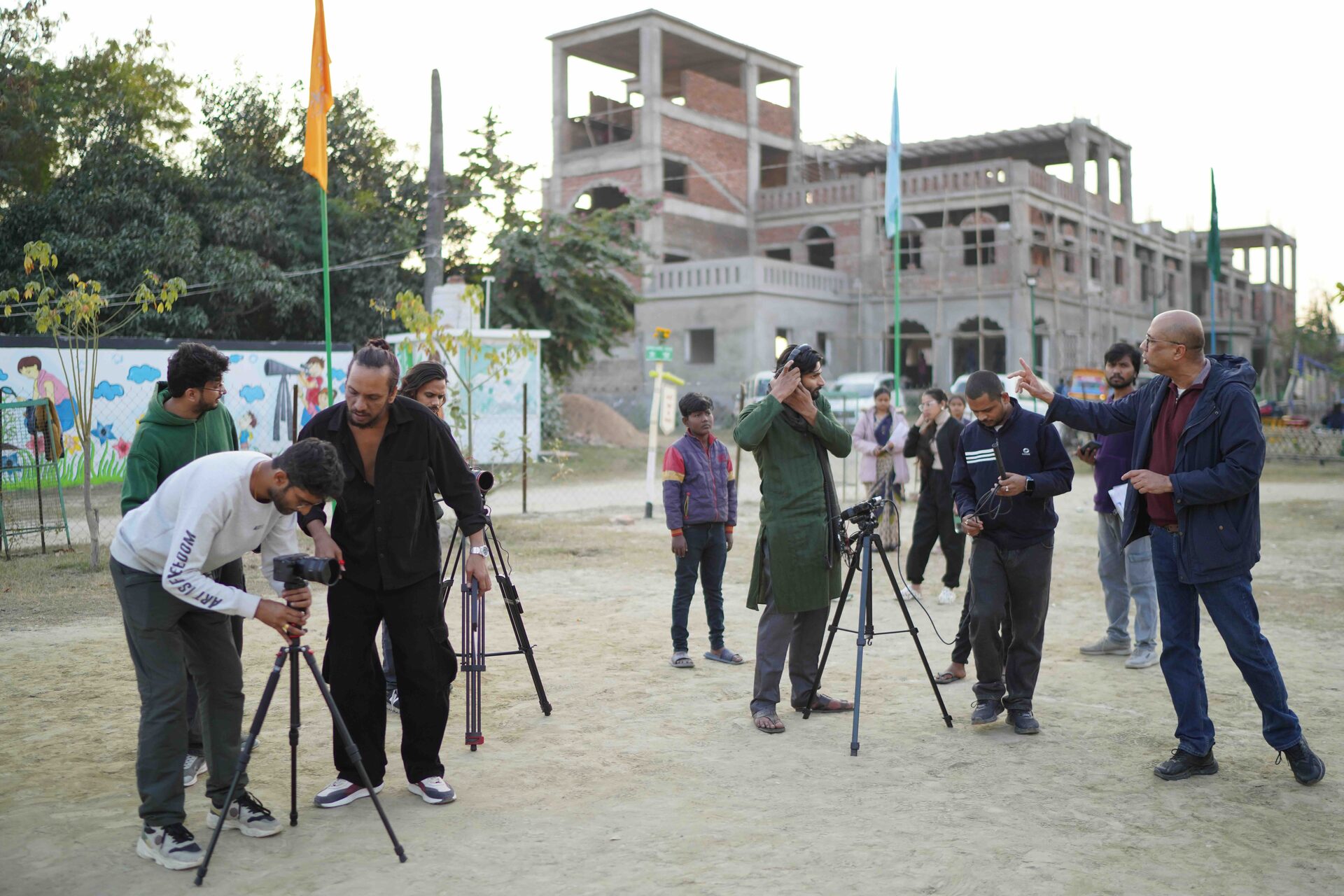
Click any image to enlarge · High-res available on request
Vertical cuts, song moments, trailers, and Instagram shorts from the making and release of Abhivyakti. Hover to preview, click any reel to play with sound.
More on Instagram · @findingtheirvoice_thefilm

Writer · Director · Co-Producer
I am a Professor of Computer Science at the University of New South Wales, Sydney, and trained in filmmaking at the Australian Film Television and Radio School. The first question I owe any audience is still: why this film, and why me?
I grew up in the Mithila region. I know these villages, these dialects, this weave of warmth and prejudice. I had watched, in families around me, what happens to children with disabilities when the system has no place for them. The child is present, but treated as absent. I wanted to put that on screen.
I was interested in that kind of persistence: unglamorous, exhausting, transformative — not because it changes the world, but because it changes what her daughter understands about her own worth.
The film is in Maithili because no other language could carry its texture — the idioms, the silences, the way women speak when no men are listening. Language here is not backdrop; it is the argument.
My direction was guided by restraint. In a story where the central bond is defined by the absence of conventional speech, the camera had to become the dialogue. Sound design became as expressive as the image: what Chutki cannot hear, the audience is asked to feel.
Abhivyakti — Finding Their Voice is my debut feature, with official selections at JIFF and INYFF ahead of its world premiere.
Abhivyakti was made to give voice to those who are often unheard. Below are organisations, resources, and support networks for the hearing-impaired community — in India, Australia, and beyond.
National and international organisations supporting deaf children, adults, and families.
Foundations working on early intervention, learning support, and inclusion for deaf and deafblind children.
Indian Sign Language research, training and accessibility tools.
Want to support the cause? Host a screening, contribute to community partners, or help amplify the film.
More resources will be added as the film tours festivals
Press coverage, festival announcements, interviews, and reviews about Abhivyakti.
Indian Link profiles writer-director Sanjay Jha and the making of Abhivyakti — from a screenplay written on a flight back to Sydney to an eleven-day shoot in his native Darbhanga — and the film's selection at the International New York Film Festival and Jaipur International Film Festival 2026.
Read the interview →Whether you are a festival programmer, press, or simply want to learn more about the film — please reach out. Trailer, stills, and director interviews are available now; the full feature is reserved for festival programmers and accredited juries until the world premiere. We respond to all enquiries within 48 hours.